
Essential Medic Gear for Medical Professionals

Updated: Sep 30
When you’re on the front lines, every second counts. Your gear can make or break a response. I’ve been there, and I know the difference the right tools make. This post breaks down the essential medic gear you need to stay sharp, efficient, and ready for anything.
Let’s dive in.
Must-Have Medical Tools for Every Shift
You can’t afford to fumble when lives depend on you. Here’s what I always carry:
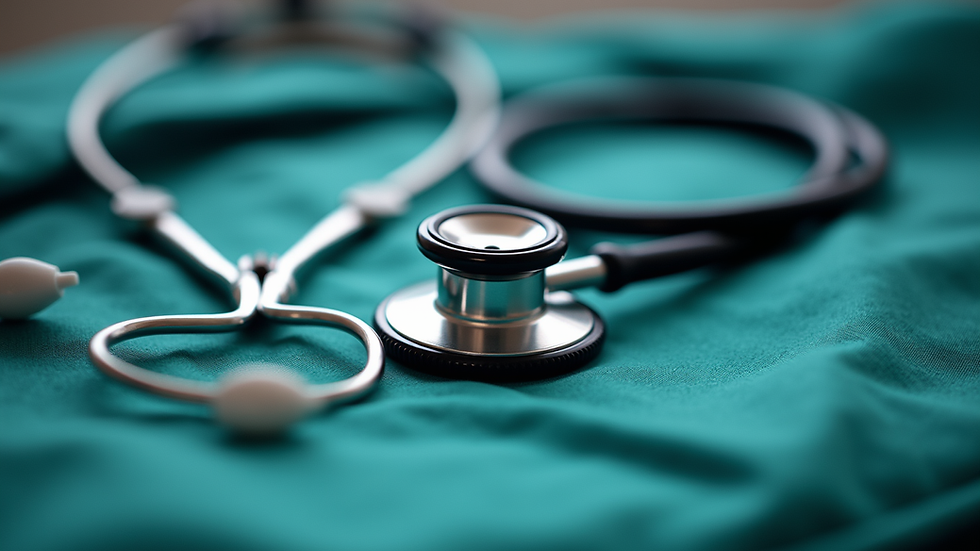
Stethoscope: The classic. Lightweight, durable, and crystal clear sound. Look for one with a tunable diaphragm for quick heart and lung checks.
Penlight: A bright, focused beam helps check pupils and wounds. Compact and easy to clip onto your pocket.
Trauma Shears: Cut through clothing, seat belts, or bandages fast. Go for stainless steel with a blunt tip for safety.
Gloves: Nitrile gloves are my go-to. They’re strong, flexible, and latex-free to avoid allergies.
Multi-tool: A compact multi-tool with pliers, knife, and screwdrivers can save the day in unexpected ways.
These basics fit in your pocket or pouch. They’re your first line of defense in any emergency.
Essential Medic Gear for Patient Care
Beyond the basics, you need gear that supports patient care on the spot. Here’s what I never leave behind:
CPR Mask: Protect yourself and the patient during resuscitation. Choose one with a one-way valve and a clear face shield.
Tourniquet: Life-saving for severe bleeding. Pick a reliable, easy-to-apply model with a windlass system.
Bandages and Dressings: Stock up on gauze pads, adhesive bandages, and trauma dressings. Versatility is key.
Pulse Oximeter: Quick oxygen saturation checks help you assess respiratory status fast.
Blood Pressure Cuff: Manual cuffs with a stethoscope combo are reliable and don’t depend on batteries.
Organize these in a compact trauma bag or vest. Accessibility is everything when seconds matter.
Staying Prepared with Tech and Communication
Technology keeps us connected and informed. Here’s what I recommend:
Portable Radio: Clear, reliable communication with dispatch and team members is non-negotiable.
Smartphone with Medical Apps: Use apps for drug references, protocols, and quick calculations.
Headlamp: Hands-free lighting is a game-changer in low-light situations.
Power Bank: Keep your devices charged during long shifts or remote calls.
These tools keep you connected and informed, no matter where you are.

Organizing Your Gear for Maximum Efficiency
Having the right gear is one thing. Accessing it quickly is another. Here’s how I keep my kit ready:
Modular Bags: Use bags with compartments and MOLLE webbing to customize your setup.
Color Coding: Assign colors to different supplies for quick identification.
Regular Checks: Inspect and restock your gear after every shift.
Personalize Your Kit: Tailor your gear to your role and typical calls.
A well-organized kit saves precious time and reduces stress during emergencies.
Mental and Physical Gear You Can’t Ignore
Gear isn’t just about tools. Your body and mind are your most important assets. Here’s how I stay sharp:
Hydration Pack: Keep water handy to stay hydrated during long shifts.
Comfortable Footwear: Supportive shoes reduce fatigue and injury risk.
Stress Relief Tools: Breathing exercises, quick meditations, or even a stress ball can help reset your focus.
Backup Glasses or Contacts: Clear vision is critical. Always have a spare.
Taking care of yourself means you can take better care of others.
Gear That Grows With You
Your gear needs will evolve. Stay open to upgrades and new tech. Join communities and forums to learn what others recommend. Remember, investing in quality gear pays off in reliability and peace of mind.
If you want to explore more about medic gear, check out trusted resources that focus on practical, field-tested equipment.
Gear up smart. Stay ready. Save lives.


Comments